Terracotta Warriors
By Allan Brown:
One does not simply go view the Terracotta Warriors; you need a reservation and you need to be searched, scanned, and your passport inspected.
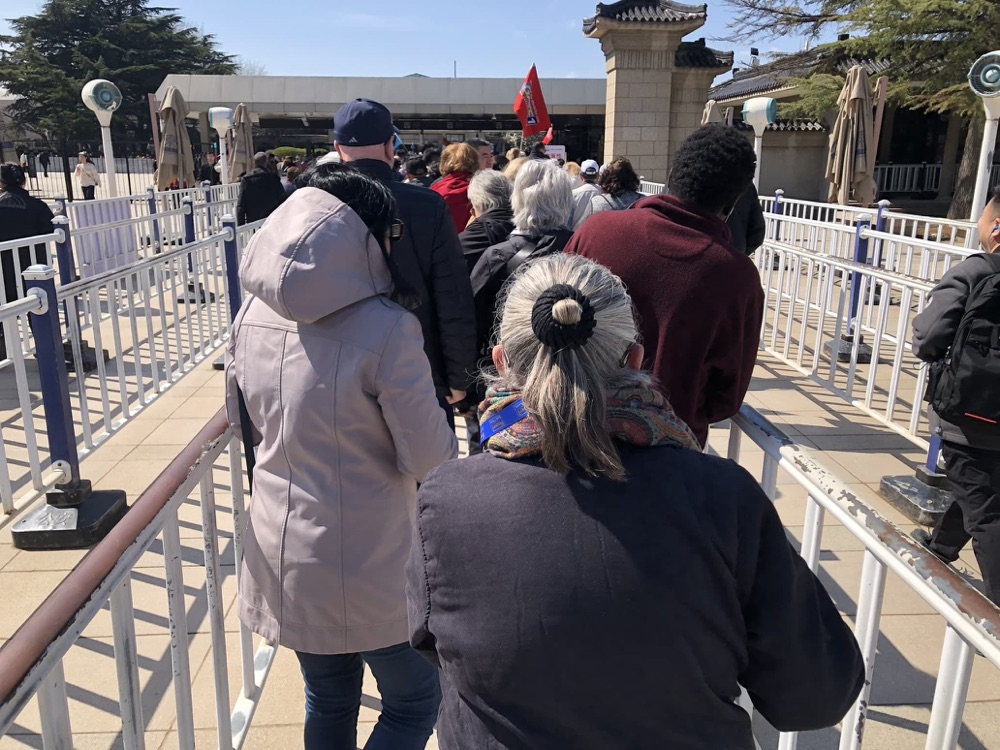
Our guides were happy to tell us that it was a slow day after viewing, for what seemed to us, massive crowds. Really? This was a slow day? Sure enough, we saw crowd control barriers that seemed to be able to handle about 10 times more people than were here on this day. Wow! This is hugely popular, even in China!

After being politely scrutinized, we boarded some electric tram cars to whisk us up the hill to the museum, which contained some of the more amazing and intact artifacts from the archaeological site. Similar to ancient Egyptian pharaohs, the emperor Qin Shi Huang wanted to have it all for the afterlife and he wanted his own army.
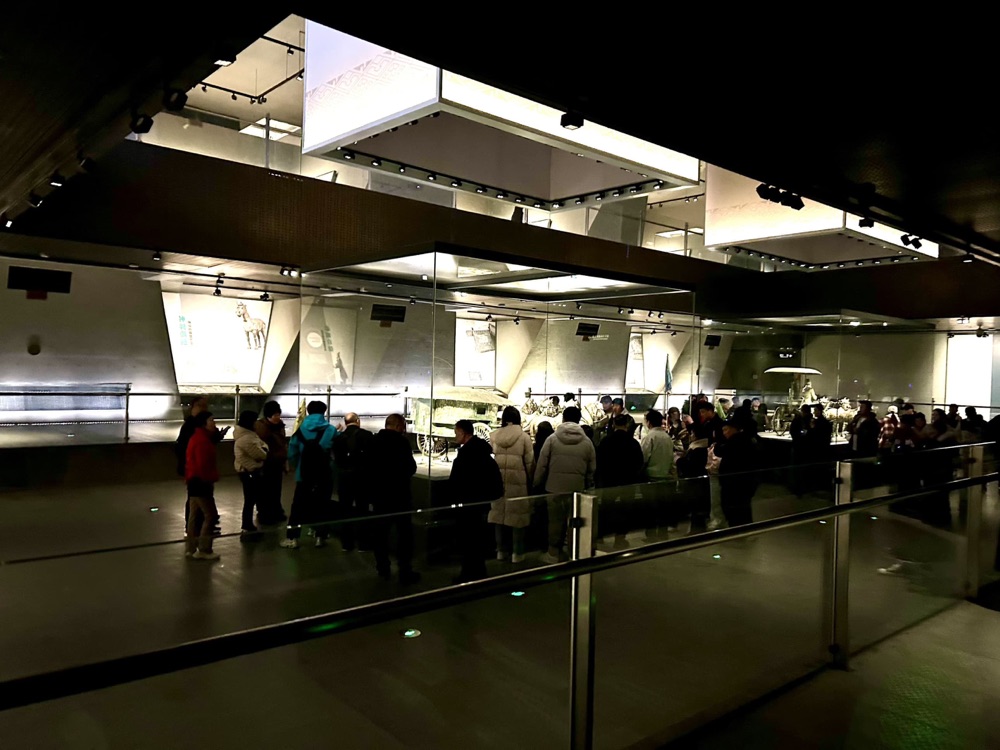
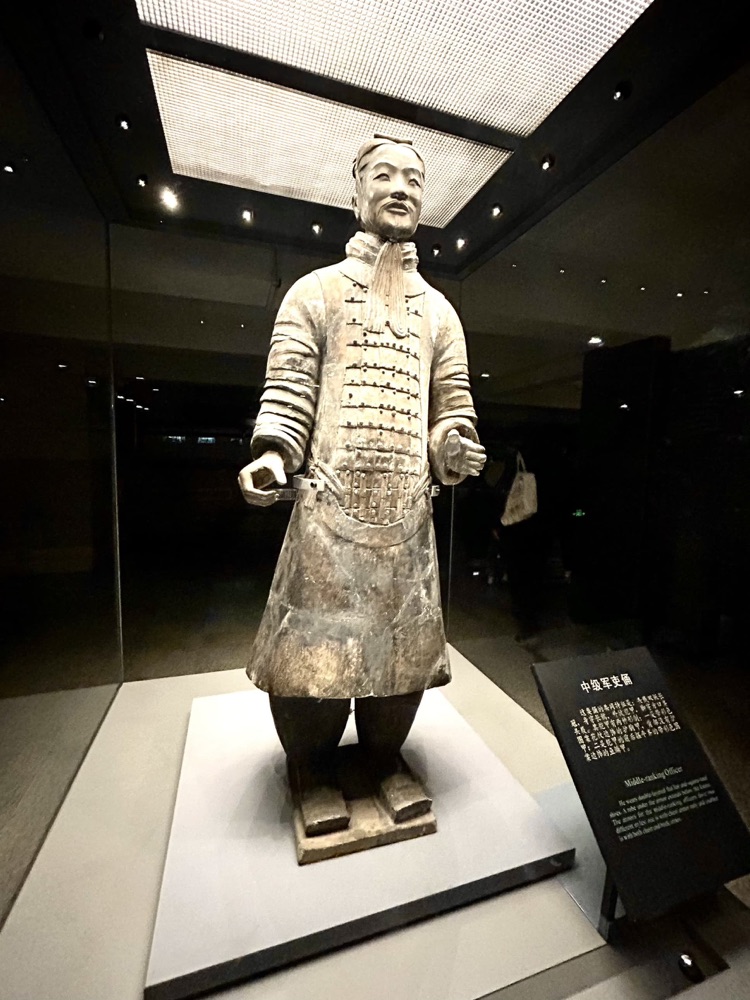
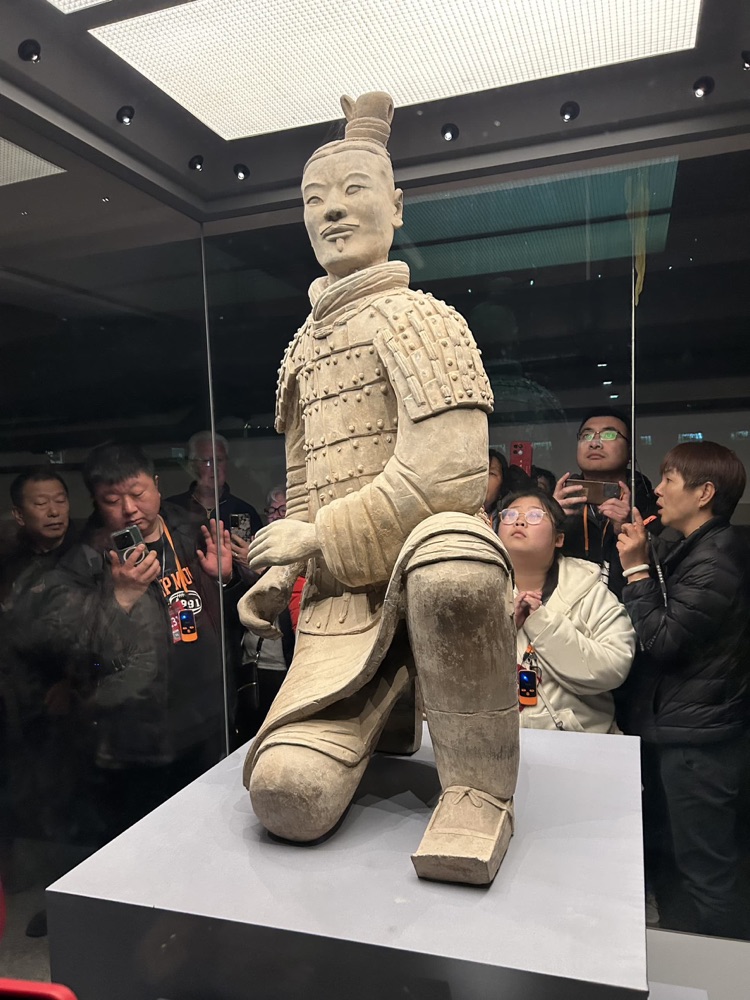
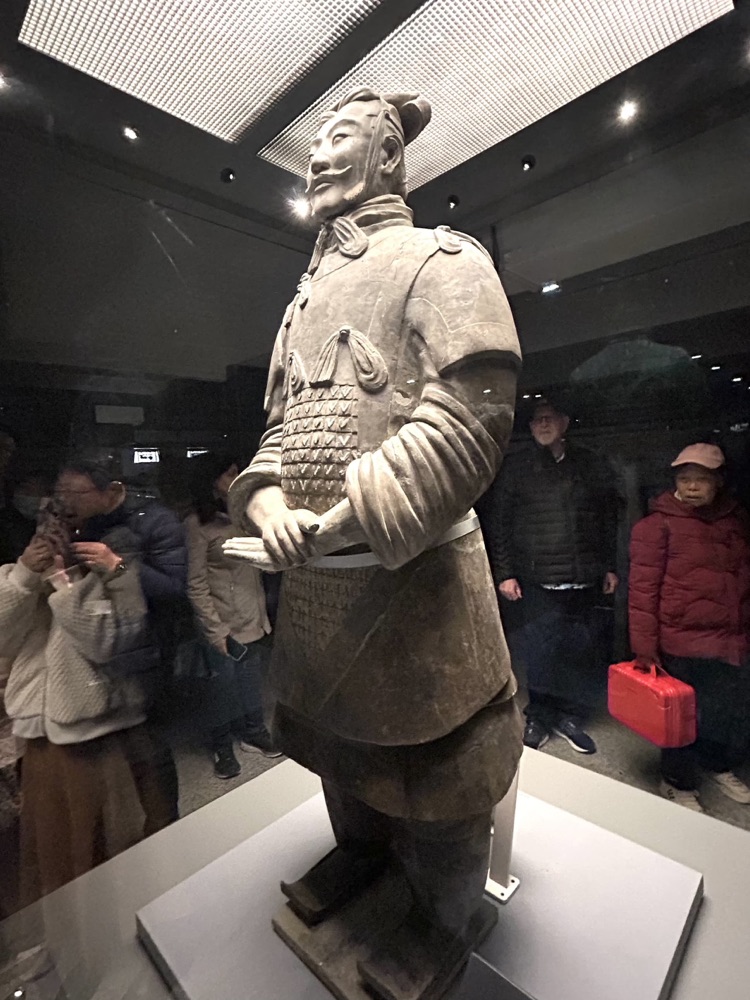
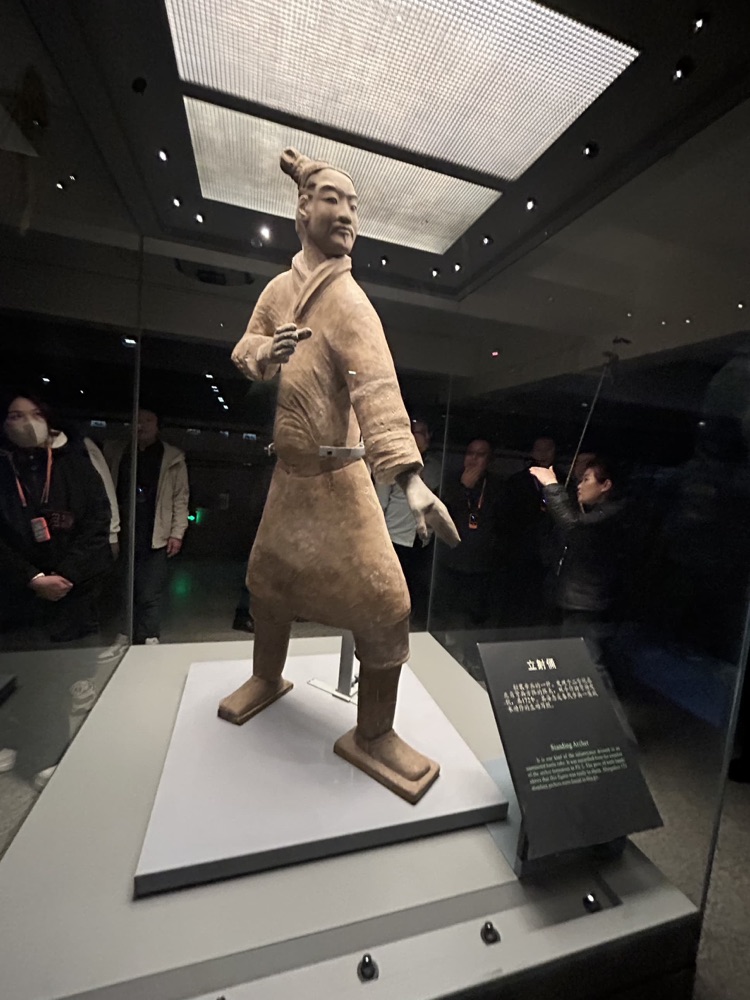
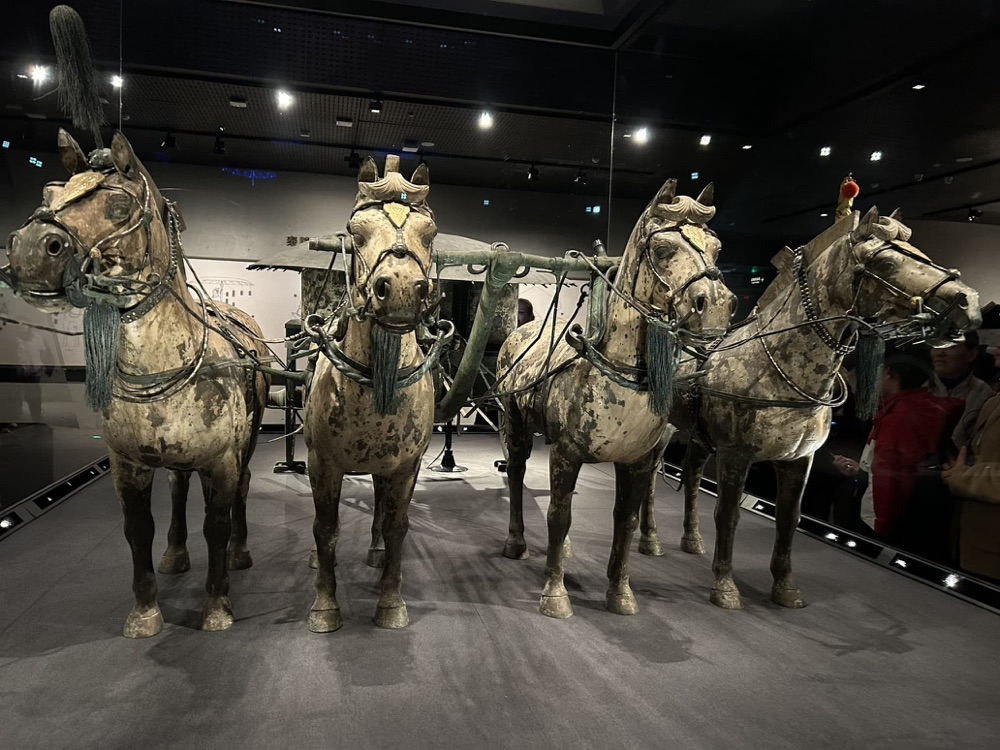
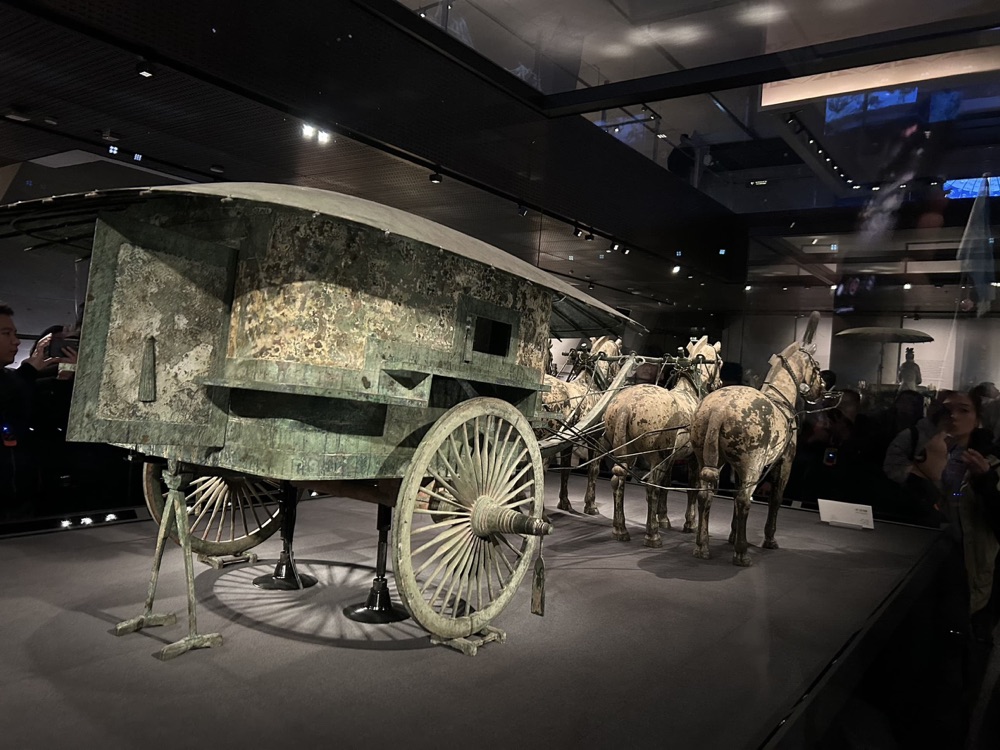
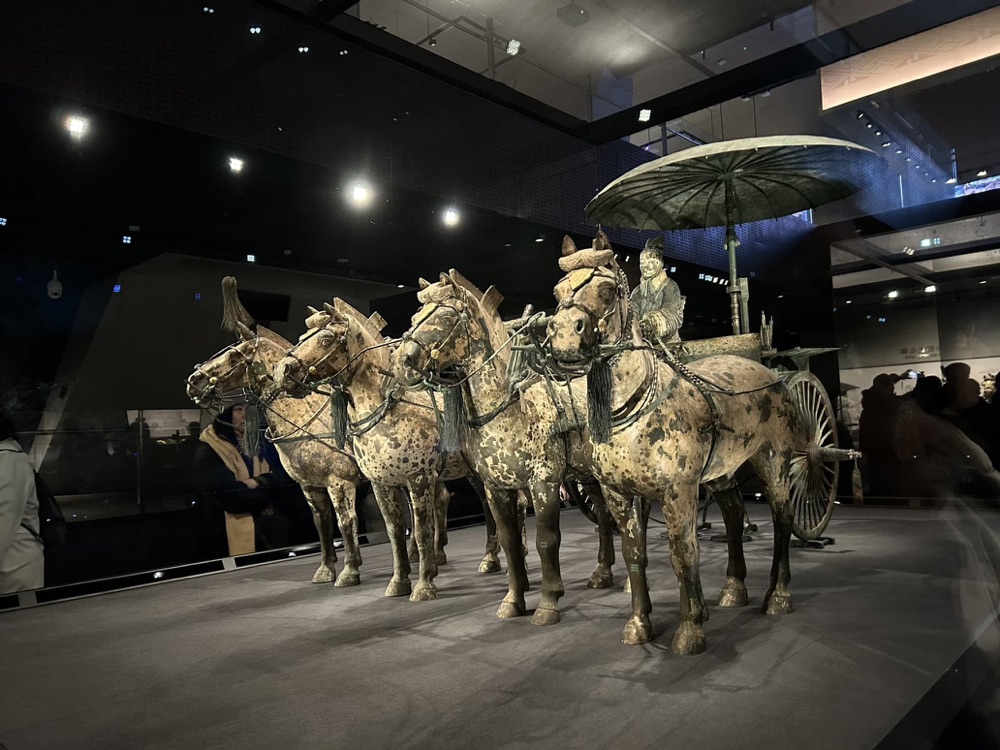
It was not only an army but an entire representation of his political system and organization. The site also included terra cotta entertainers for some amusement in his great beyond. Qin Shi Huang died in 221 BCE, and the warriors were discovered in 1974.
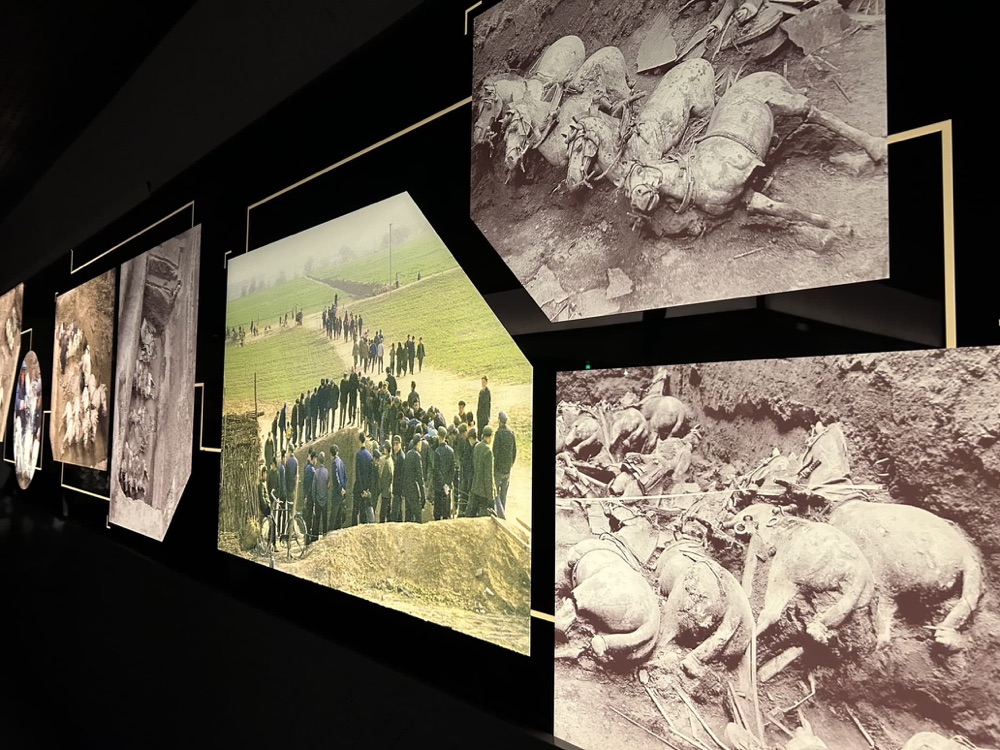
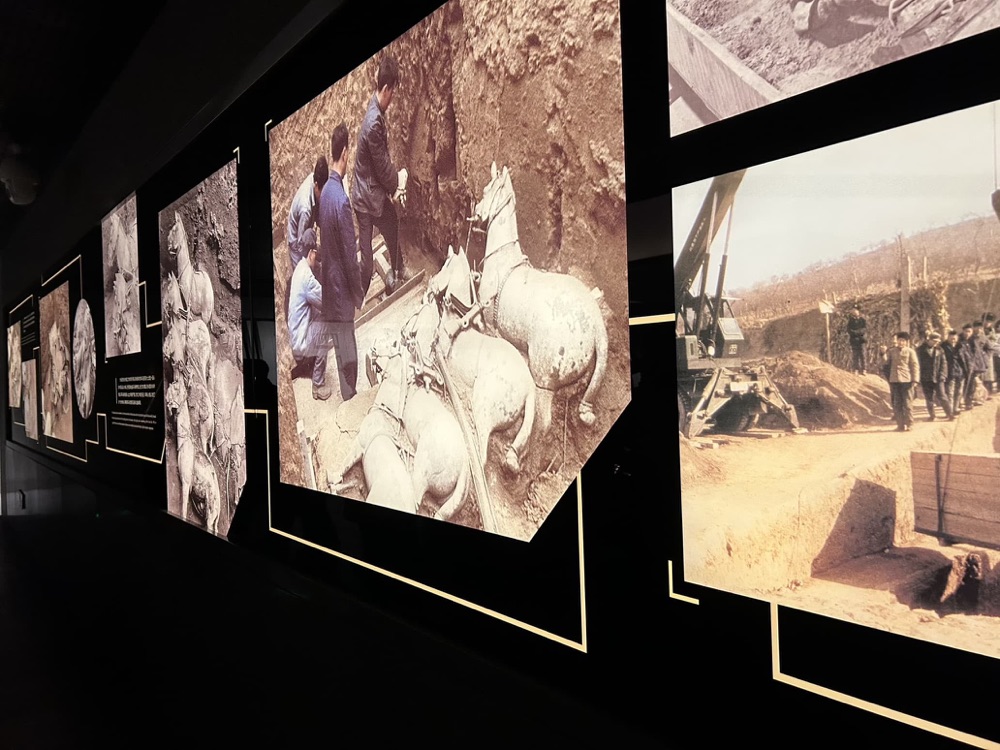
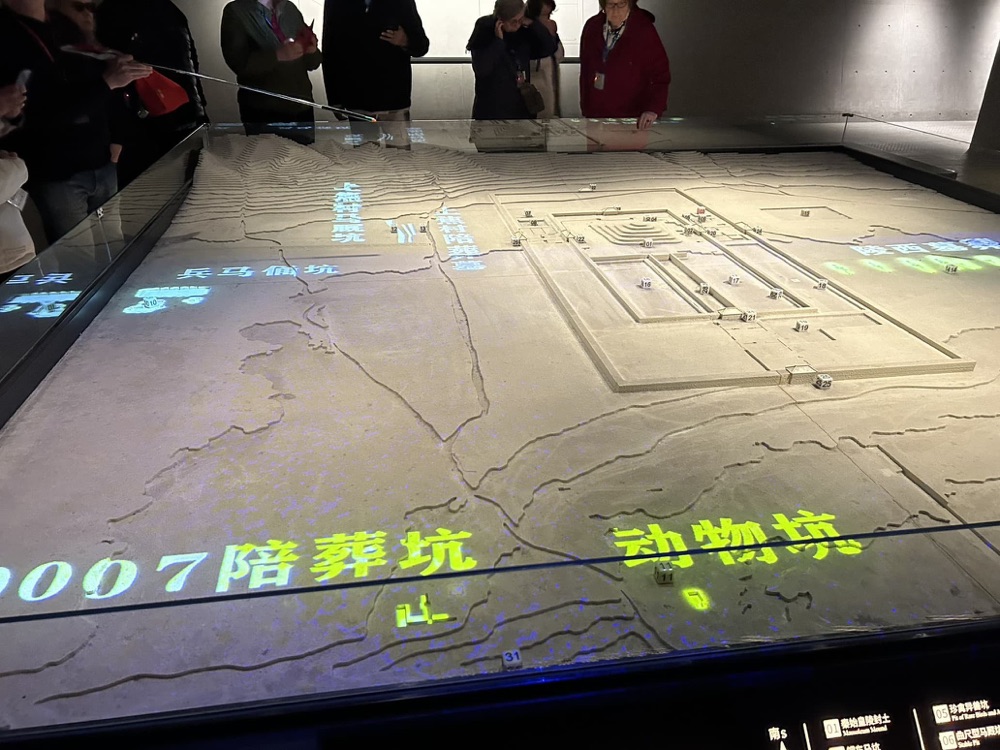
Can you imagine being the farmers in 1974 who were digging for a water well when they discovered this? They thought they were in trouble from all the attention.
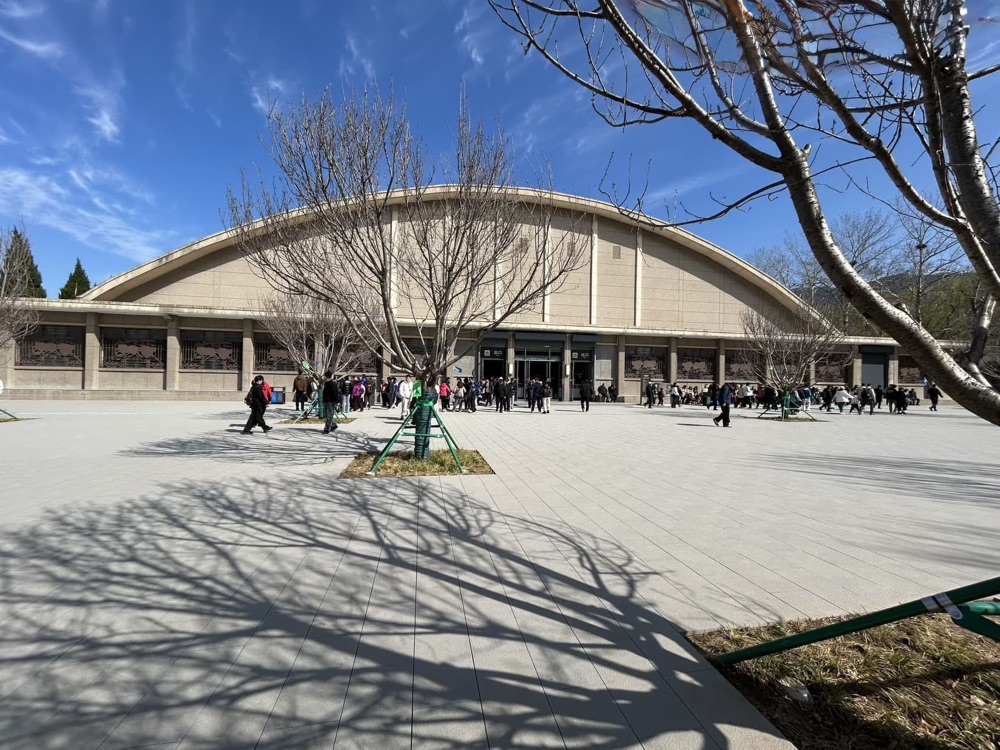
China knew they had uncovered something big, literally. So, after some initial digging to determine the scale of the site, even they couldn’t believe it or come close to understanding what these thousands of warriors were all about. China then did something smart; they covered up all the warriors and built a huge structure over the site so they could uncover the warriors at a slow and methodical pace, and that took 5 years before they started digging out the warriors.
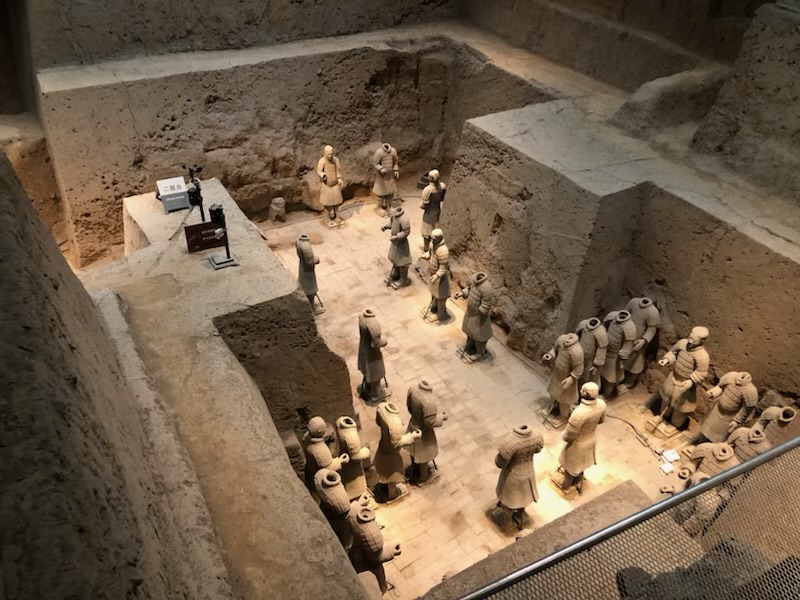
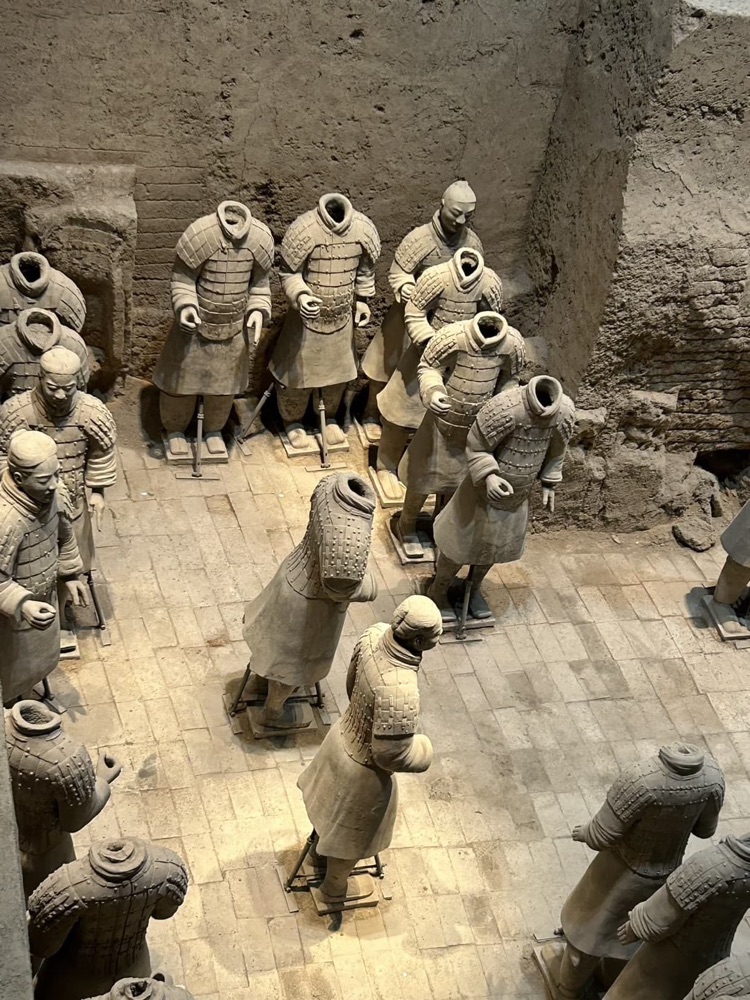
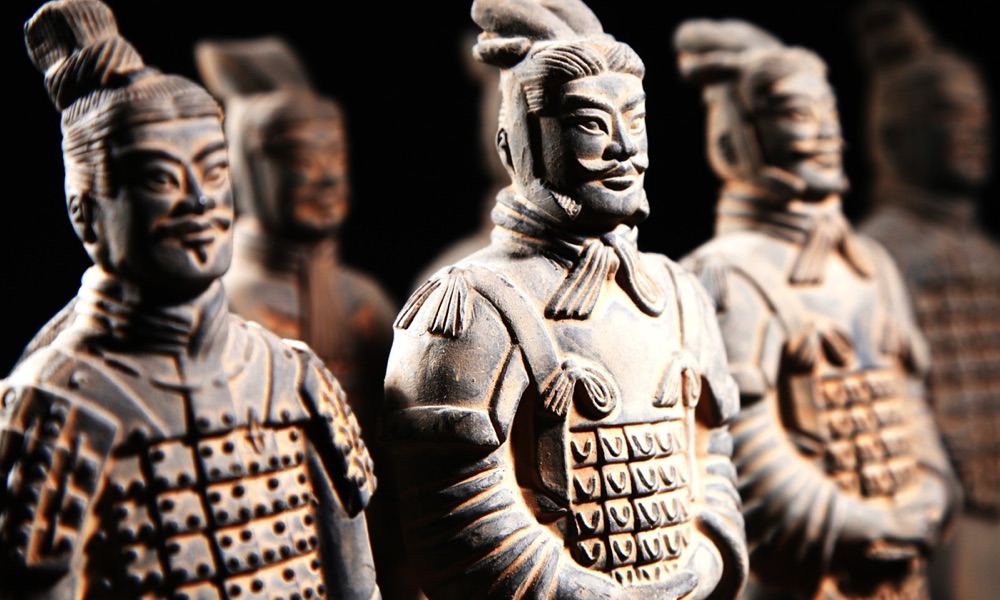
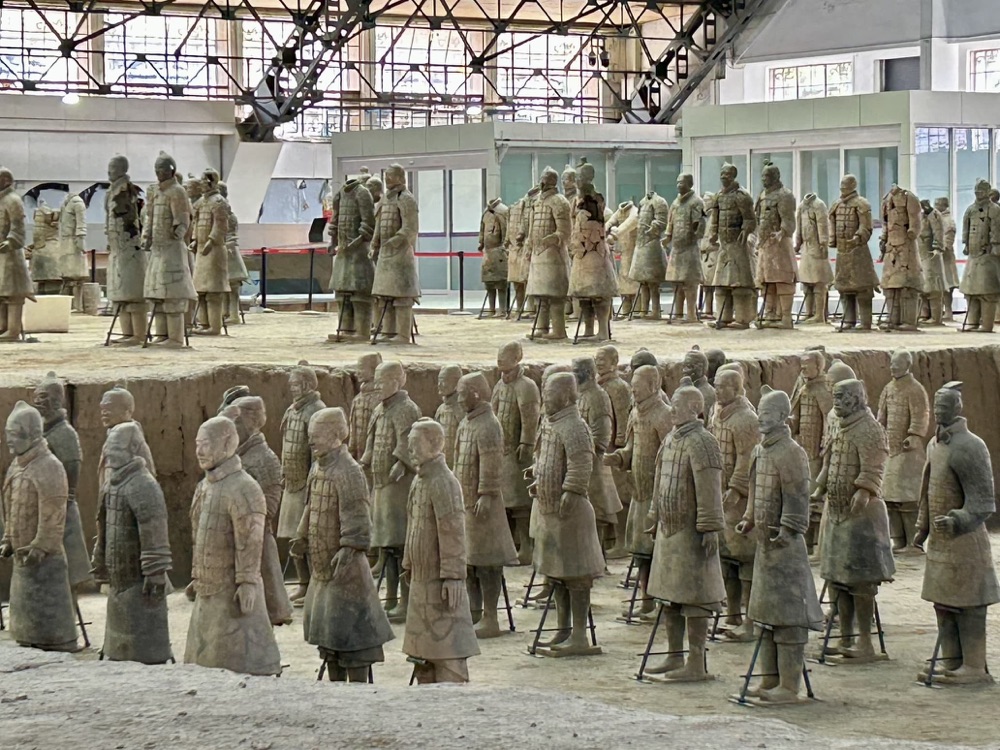
The warriors are made of hollow clay because that was easier to cure and made them lighter to transport. Also, each warrior was built utilizing a standard-size warrior body but with a different face at first thought to match an actual person, although that is probably not true and it was more of a representation of different types of people throughout China. It is thought that the warriors were each produced assembly line style with the bodies being knocked out while heads and hands were added later. The heads are removable and interchangeable. There is a difference in hairstyle, clothing, and weapon to memorialize their rank and position. Commanders were discovered away from the masses where the bosses would hang out, and archers had their own little clique. The scale of this is mind-blowing.
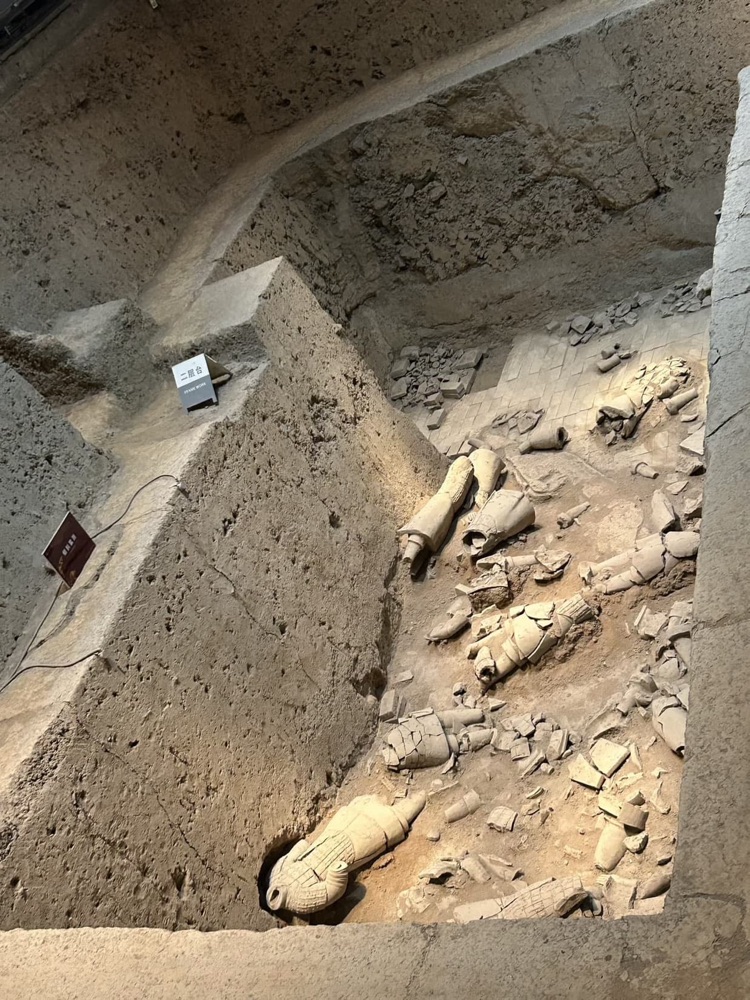
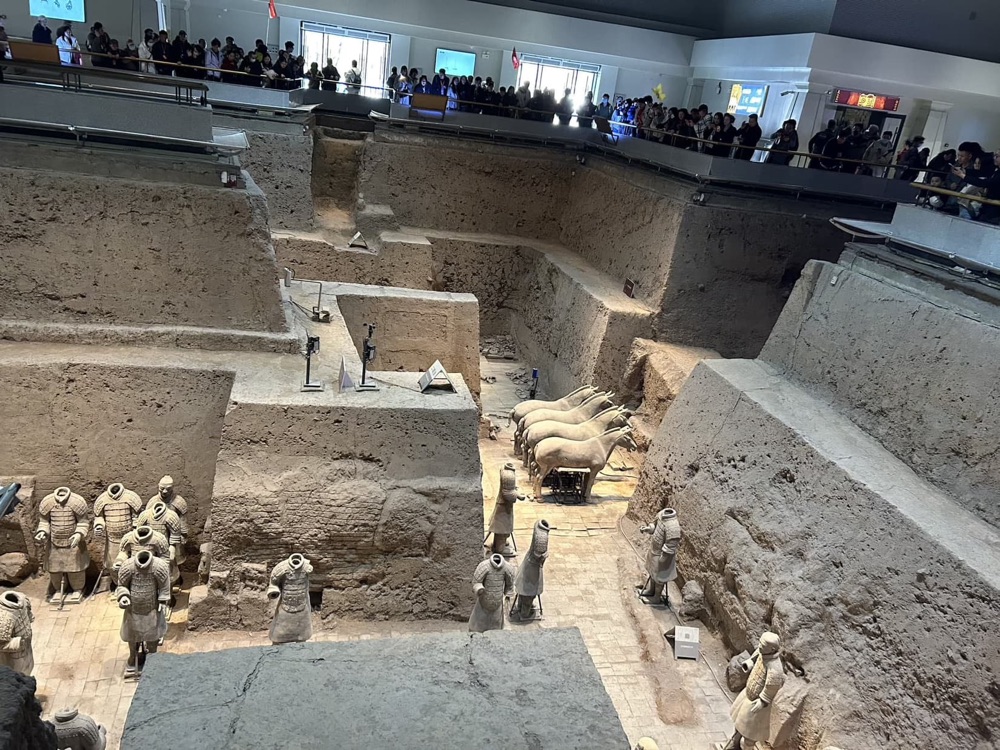
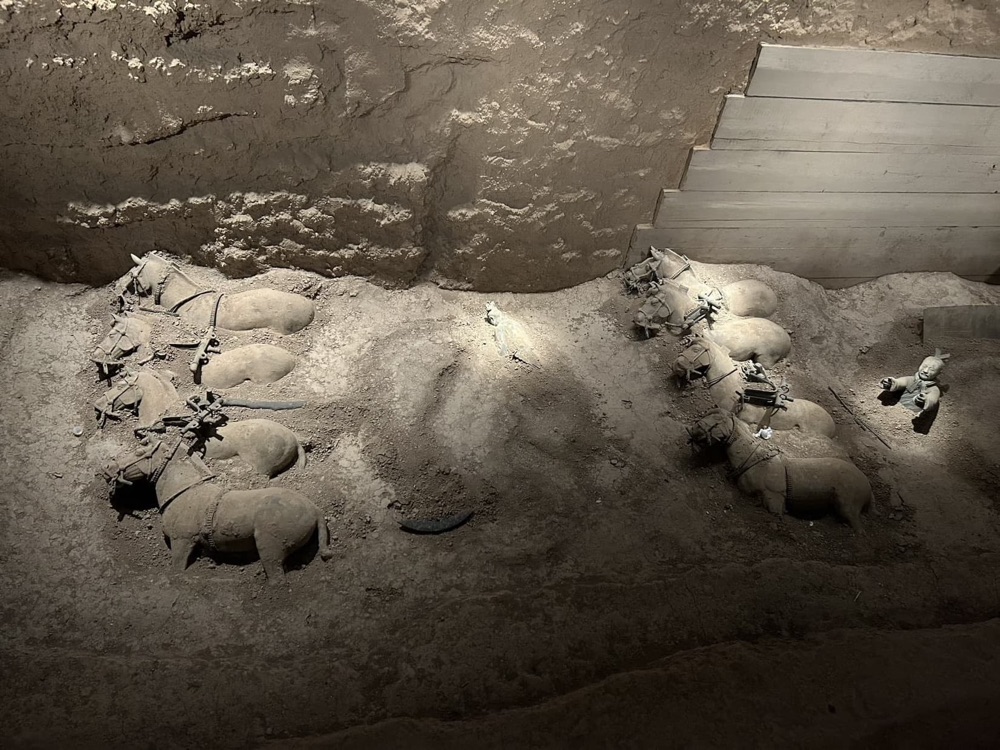
So, what happened, why are they all busted up? Well, after the Emperor was long gone, the resistance looted the warriors and took all of their weapons that they had been buried with to then fight against the current Emperor and smashed the warriors. Very few warriors were found intact; one is an archer kneeling with his empty hands posed for a missing bow and arrow.
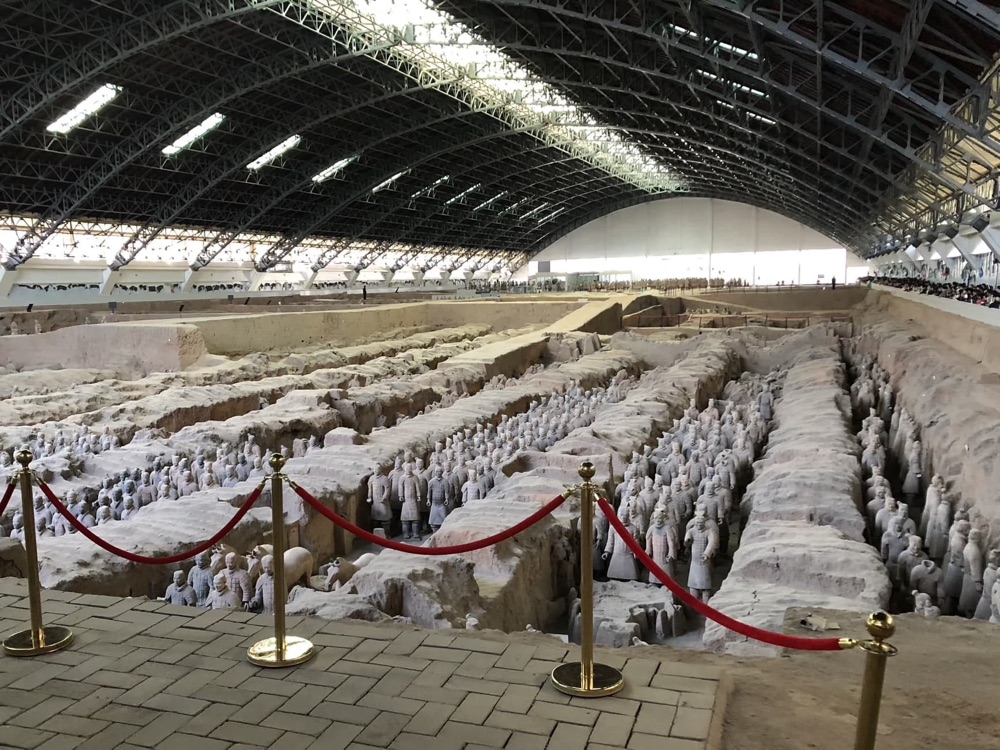
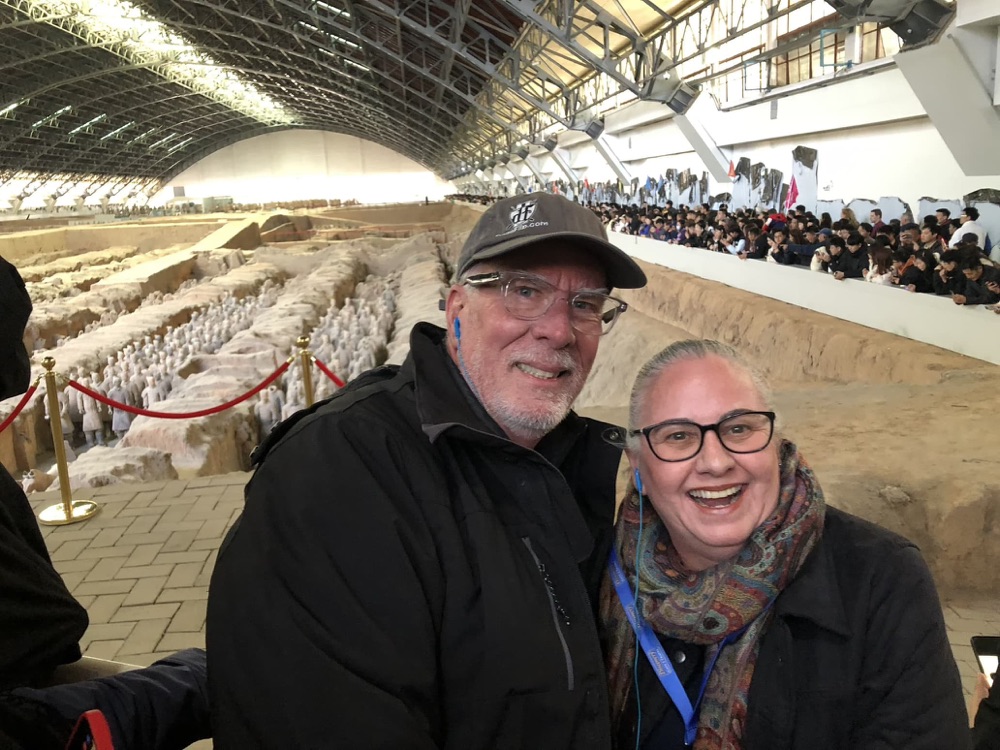
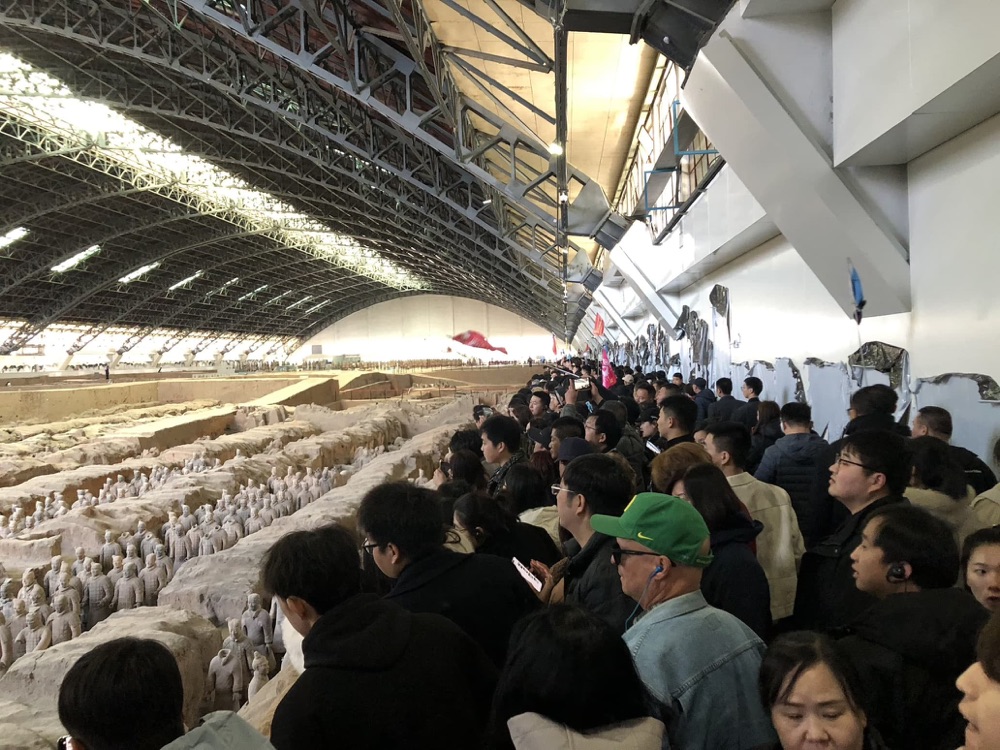
The tour views the main site where the warriors are still lined up for battle, and the line of people is around 6 deep that slowly shuffles around the perimeter. We lumbered our way around, pausing to take photos when someone would relinquish their position on the guardrail and then slowly worked our way through the building.
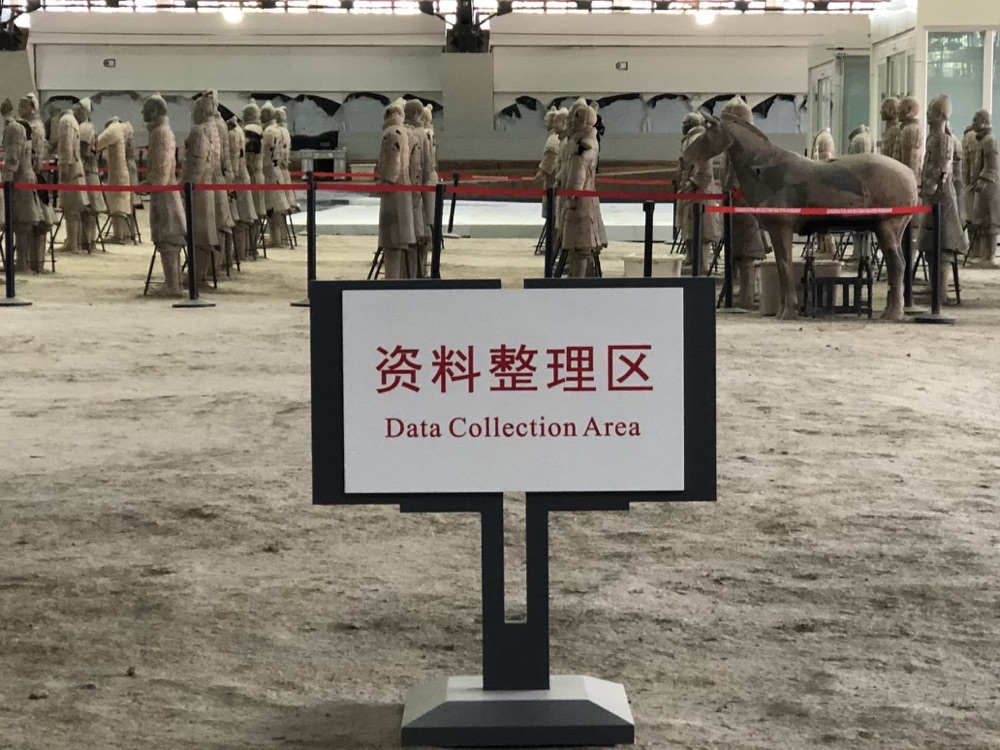

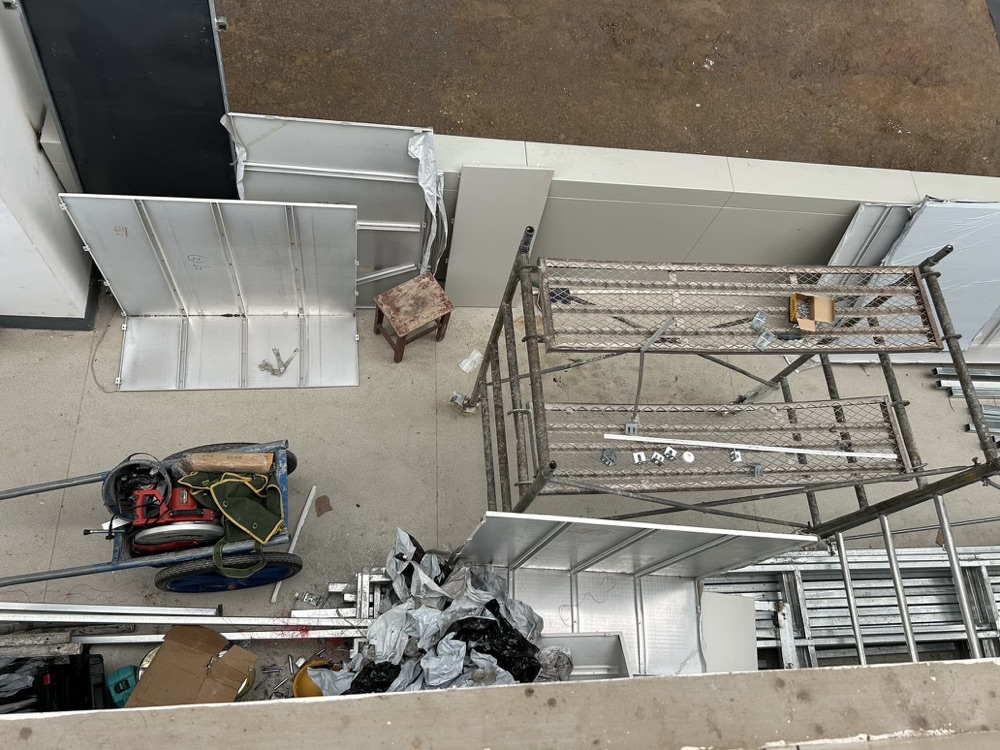
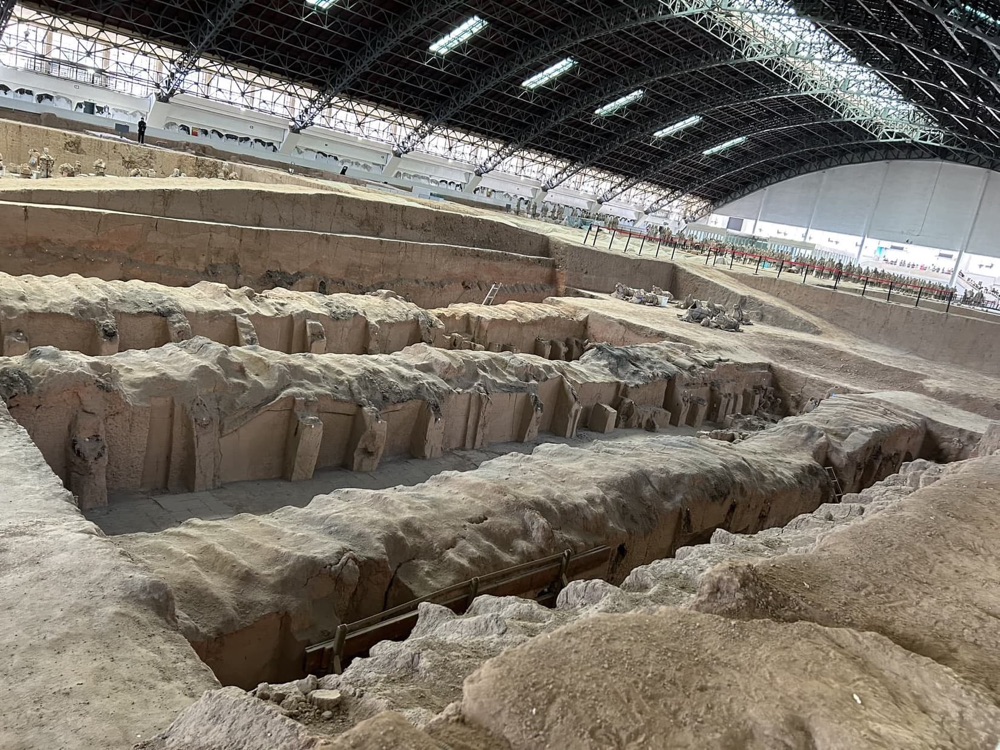

Towards the end of the building, they had warriors staged that were a work in progress, slowly being pieced back together. It is the world’s biggest puzzle with every piece catalogued and then put back together on the correct soldier. 2,000 warriors have been uncovered, and 6,000 remain buried.
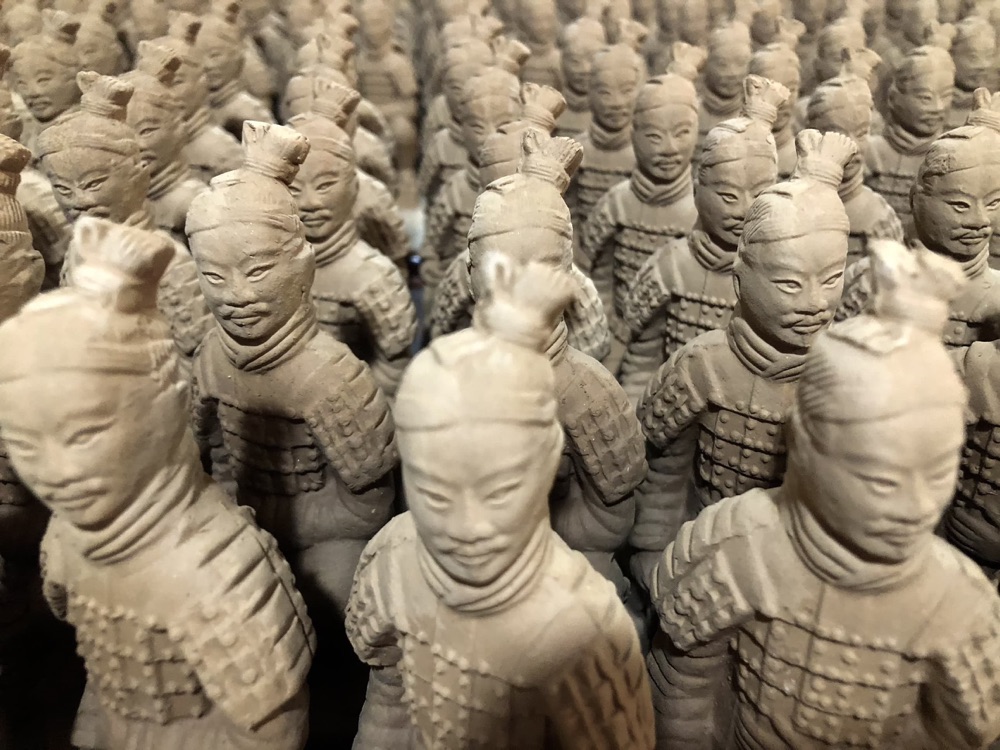
It makes one wonder how long they plan on putting these warriors back together after all; it has been 50 years now. Answer? As long as it takes; patience is a virtue in China, and the terracotta Warriors are a source of huge national pride.
 Travel Geeks Blogs
Leave a comment